
Severe Head Shaking Case
Hello Everyone!
Wanted to share a case that I am dealing with currently that is pretty common for me just like sciatica cases, shivers cases, stringhalt cases, sleep deprived-collapsing cases and self-mutilation cases. All of these conditions are treated and dealt with as a normal everyday Ho Hum for me, unlike the majority of my veterinary colleagues who have no idea how to treat, diagnose or simply understand what is going on to help these horses.
For head shaking cases, we as equine veterinarians worldwide agree that one of the main causes of head shaking clinical signs in Equid species is caused by something irritating or damage has occurred to the trigeminal nerve or branches of the trigeminal nerve creating a neuritis. Neuritis means inflammation of a peripheral nerve (nerve that is outside the brain and spinal cord, not in the central nervous system) caused by injury, infection, or autoimmune disease leading to pain, numbness, tingling or loss of muscle function resulting in weakness.
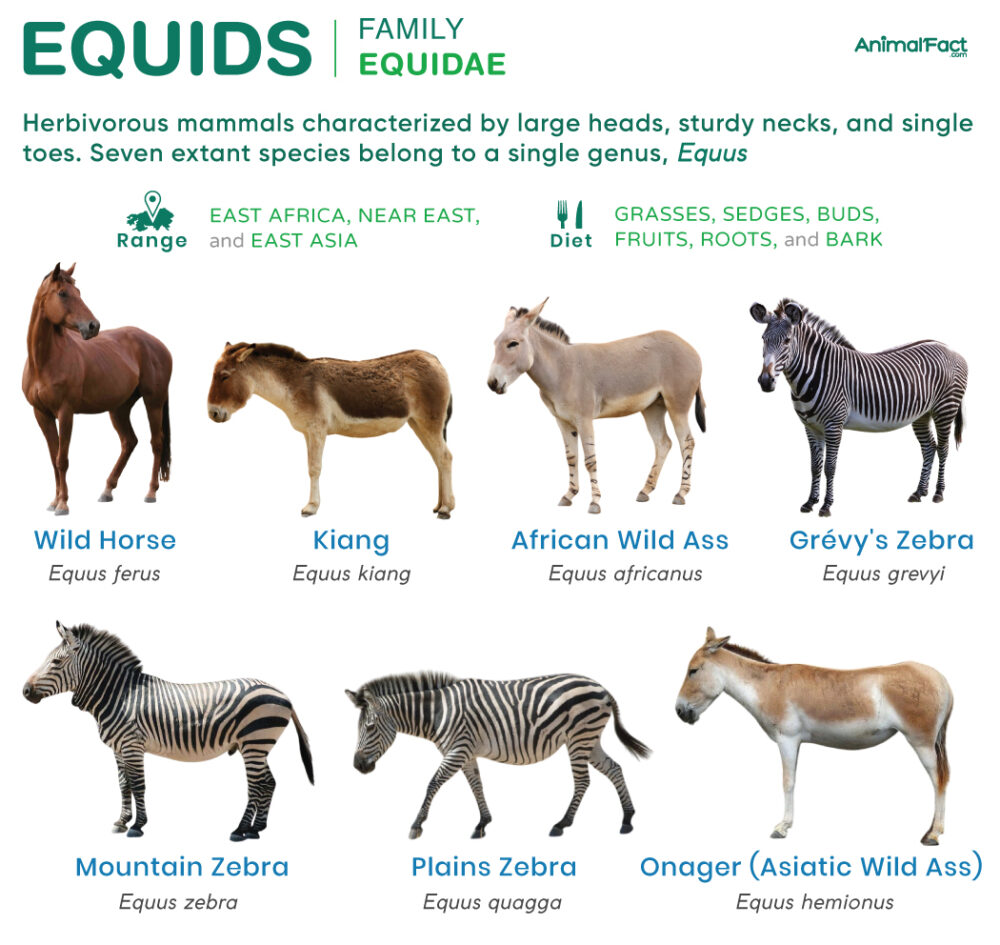
Why do I say equid species? Because Equid species also includes mules, donkeys, zebras and horses. I have treated hundreds of horses of all breeds/disciplines, 1 mule that competes in dressage, 2 donkeys used for cart rides/driving and 0 zebras thus far in my career for head shaking syndrome. I wish I could see and treat a zebra with head shaking or Shivers-Stringhalt syndrome, but that is ONLY a wish I hope never comes true as both are miserable conditions for any equid or frankly any species to experience!
Head shaking in equid species is a multifactorial condition/problem. Multifactorial means simply, lots or multiple factors not just one thing, causing a problem. All of the “factors” must be addressed or resolved to find a solution to the problem. This means that the list of problems that could be causing the clinical signs of head shaking must be tediously considered as a possibility and ruled out as not contributing to the cause.
The causes creating the clinical signs of head shaking in equid species are pretty much the same in humans, dogs, cats and other species. The most common cause is Idiopathic. Idiopathic is a large word for “we do not know”. Meaning exactly, “we do not know” because no specific cause can be identified. I would say that most cases I see are Idiopathic as I rarely find the specific cause. There is a distinct pattern with a high percentage of the patient population I have treated is directly related to repetitive injury and/or trauma. The cause, most of the time, is irrelevant to me as I simply must treat and then after resolution MANAGE the clinical signs when they reoccur, because I hate to say, they will recur.
Other causes include ear infections, ear canal and vestibular issues, tooth/teeth issues, sinusitis or nasal passage issues, allergies, cervical injury/trauma, viral infections, immune-mediated diseases, other traumas and injury, masses, cancer, foreign bodies, optic/eye issues, guttural pouch infections and believe it or not saddle fitting issues.
I have found that horses only head shake under saddle or not, only with a bridle or not, only with a blanket on or not, or show signs of sciatica at the same time of head shaking signs or not, or only in sand arena but not synthetic, or only grass fields and not arenas, or only on windy days and not non-windy days, only on sunny but not shady days, or shady but not sunny days, good with hairnet on their nose and others not, or good with fly mask or others worse with fly masks.
Truthfully, no matter the cause, all I care about is how long the clinical signs have been present. If the clinical signs are acute, no matter severity, it is easier to pinpoint the cause and treat accordingly especially because the memory of the person stating the history is also clouded with time, i.e., recall memory failure. If the clinical signs have been going on for a long period of time and now chronic, it is obvious that it will take longer to resolve. Meaning more treatments, money, time, and patience more than anything.
A couple days ago I got a phone call from a person I talked to several months ago, stating that their horse’s head shaking clinical signs are now worse. I know that I had talked to this person before because I saved their number in my phone along with “HSS” (head shaking syndrome) after their last name. I listened as they told me that another veterinarian had treated the horse and now the horse was a hundred times worse with the horse shaking, ticking and tossing its head is now non-stop. Now the horse is miserable whereas before the horse was able to deal with the clinical signs. I do not know what “treatment” was done to the horse, but I need to preface before I go any further that this person lives close to Ocala, FL, which is also where I live. Months earlier, I had explained to them that the treatment is not a “one and done”, “quick fix”, “one pill or one whatever” or “miracle” because there is NOT A CURE especially if it related to the cervical column. If it is a mass or tooth issue it is sometimes easy peasy because the cause can be fixed by removal of the cause. The treatment protocol is about calming the nerve and the system down and then MANAGING the clinical signs if/when they reappear however, there are requirements before I even start treatment. Why? Because starting and not following through will NOT ACHIEVE RESULTS. The majority if chronic (not acute cases), get worse before they get better, which is hard for people to understand (and to watch), but this is the documented pattern that I know and see from my patient population to be true. What did this person decide for their horse even after this was the second time I talked to them? Their response to me was: “I need to ponder what I am going to do and talk to my veterinarian”. P.S. I am going to rant for a bit…
In my mind as they were saying those words was my train of thought:
“You’re F___ing serious, you “need to ponder” on what to do for your horse! Really”?
The reason why I am telling this story is that if you have a horse with head shaking and you call me, please DO NOT waste my time! IF you want to treat your horse or find a solution to the problem, if it can be found, please call me. I will be happy to help you and your horse! However, this means the sacrifices needed are on YOUR end of things. It is YOUR sacrifice for YOUR horse!
AND please do not call and ask me, “What is the treatment” or “What are you injecting”. To answer those questions means that I have absolutely NO IDEA until I see your horse! Plus, these questions are ALL above your pay grade because you are NOT a veterinarian and will not understand the technicalities, anatomy, neurology, and physiology of any of it. If you are a human doctor that deals with athletes, orthopedics, neurology, radiology, ophthalmology, ENT, etc., happy to explain to you and will welcome any questions.
If you are a veterinarian, all you have to do is call me and I am happy to explain the complexity to this condition and everything that will need to do to figure it out which is complex as the majority of these cases are idiopathic. All that I ask is that people please stay in their lane and do not waste my time. If you are an electrician or electrical engineer, I can easily explain this to you too and it will make sense on what is going on. Ok rant ended….moving on.
You may be thinking what are the requirements? Here they are as I know them by heart:
1. First it will require ruling out many causes and possibly seeing multiple veterinarians to narrow down some of the factors causing the clinical signs.
2. The more chronic, the more money it costs and the longer it will take to get the horse comfortable. If acute, less than 6 months, excellent results meaning less money.
3. Everything that needs to be done, needs to be done no matter what. Meaning down the road even more diagnostics may be do be required.
4. Things will get worse before they get better 80% of the time.
5. Post treatment protocols must be adhered to no matter what!
6. It is NOT up to me for how long it takes or the amount of money you will spend! How YOUR horse heals is up to the horse!
7. Recheck timelines must be adhered to no matter what!
8. Patience and time are both required at high levels. If you lack patience or you have a show schedule you do not want to alter, I cannot help you or your horse.
9. Remember, there is no cure especially in Idiopathic cases! Tooth problems, mass, ear issues…much easier most of the time.
10. We are only MANAGING a problem, caused by “whatever”, to a large nerve coming out at the base of the skull with many branches called the trigeminal nerve! It is never simple as nerves heal less than 1mm per day.
All the above means: THERE IS NO QUICK FIX! There are no shortcuts, period. This is a YOUR commitment to YOUR horse!
Here are some questions I am sure people are thinking.
Question: Will a horse with headshaking become non-clinical, meaning having no clinical signs?
Answer: YES! Adherence to the 10 requirements is key to success.
Question: How long will it take for results?
Answer: Depends on chronicity, severity and most importantly, the cause if it can be found. Reread #6 above.
Question: Do all horses get worse before they get better?
Answer: 80% or more of the cases I treat will be worse or look worse for 24 hours post treatment. It is a pattern I see and I understand why, but this knowledge is above this blogs pay grade for explanation. I state this to all of you thinking about asking the question of why they are worse post treatment.
Question: How long after resolution of clinical signs may the signs recur?
Answer: That is dependent on adherence to what is needed depending on the cause, chronicity, and what is the triggering factor or factors that recreate the clinical signs.
It is complicated and why veterinarians have struggled for centuries searching for “a cure” or treatment for this horrible neuropathy.
For humans with this condition, this is what Google AI states (cited from Mayo Clinic):
Trigeminal neuralgia/neurtitis is characterized by sudden, severe, electric shock-like, or stabbing facial pain, typically on one side of the face. Triggered by light touch, chewing, or talking, these episodes last from seconds to minutes and often occur in the jaw, teeth, or cheek. Attacks may be frequent, with intense, recurring pain.
Key Symptoms and Characteristics
Pain Type: Sharp, stabbing, shooting, or electric shock-like sensations.
Location: Usually on one side of the face (unilateral), affecting the lower jaw, cheek, teeth, gums, or lips.
Duration: Brief attacks lasting a few seconds to two minutes, which can happen in rapid succession.
Triggers: Minimal stimulation to the face, such as washing, shaving, brushing teeth, applying makeup, talking, eating, or even a light breeze.
Progression: Attacks may become more frequent and intense over time.
Associated Symptoms: Facial spasms, twitching, or a constant aching/burning sensation between acute attacks.
Remission: Periods of no pain may occur, but these often shorten as the condition progresses.
These clinical signs are what horses, equid species, dogs, cats and whatever other species have trigeminal neuritis will experience or endure on a daily basis. IT IS MISERABLE! I know because I have treated and dealt with more of these cases than probably any other veterinarian in the world. Why have a seen and dealt with these cases? Probably because I posted on FB a video of a case I treated that had resolution of clinical signs. Years before that case I literally failed many, many horses with this condition/neuropathy before I realized that I absolutely sucked as a veterinarian. I needed to be better, use my education, use my actual brain, think for myself, read the material for myself and figure out how to treat and find a solution to this problem just as I did as a blue collar worker.
Everybody has excuses. Everybody wants to point a finger at someone or something for whatever reason that justifies their own insecurities, ego, and failures. That’s easy. That is why it is SO easy to give up and say “there’s nothing we can do”, “have no idea how to help”, “your horse will just have to live with this”. Honest truth for me is that I did not take the time to do the research! I recited and gave the same excuses as all the other veterinarians when the trainer had asked for help. I simply sucked, was lazy, and thought that if no one else could figure it out why should I spend the time? Isn’t that suppose to be what academic people do? Research to figure this stuff out? Isn’t that the whole point of being in academia besides teaching veterinary students, interns and residents? This was my mindset then, it sure is not now. To this day I can remember the names of every single horse that I failed miserably with this condition. Valentine, Rory, Beth, Agentina, Red, George, Hurly, Max, Dover, Sadie, Z, and Roadie. Yup…that is the list I failed.
Once I actually sat down, did the research and finally looked at the problem objectively I realized that I could do something for my patients. When I started approaching the problem in a logical end goal of solutions strictly based on patterns of dysfunction, patient after patient got better. None of these cases are simple or easy unless acute, meaning less than a month, then resolution can occur without recurrence most times. My end goal and all I care about is giving these horses some relief!
Most importantly, the key is to notice the signs before they become a huge problem. What are the clinical signs? Repetitive head ticking, tossing, shaking, nose twitching, rubbing nose constantly on legs-walls-anything, and constant nose blowing. These are the common signs that need to be addressed if repetitive! None are normal! The sooner they are addressed, the less likely your horse will develop head shaking syndrome i.e., trigeminal neuritis!
So what is going to happen with this case? Well it means for this young show horse, it will have a lifetime of not doing the things that trigger the clinical signs along with constant treatment for the next 6-8 months to manage and help calm the entire system down. The triggers may change and how I approach treatment may change. Everything is always changing. How I look at the problem will change as well for this horse for treatment, management etc as I am not set in my thought process. I have to adapt and change, “go with the flow”, as the clinical signs do for this neuropathy or any horse with any injury.
Luckily this horse has an exceptional owner that understands and is willing to do what is needed so that the horse can get better, but still horse show when it is possible. This owner put THE HORSE as priority, not THE HORSE SHOWING as priority. The real truth is, without treatment, there would be absolutely no way this horse could walk into a show pen and show due to the severity of clinical signs. Even with heavy sedation the clinical signs will/would still occur as the video showed before I was able to treat him the first time and in future treatments prior to re-treatment.
Please share this blog and my podcast with your horse friends, and comment below if this was helpful. Most importantly, remember to always put The Horse First!
AJD
Be the first to comment