
What is Normal?
Hello Everyone!
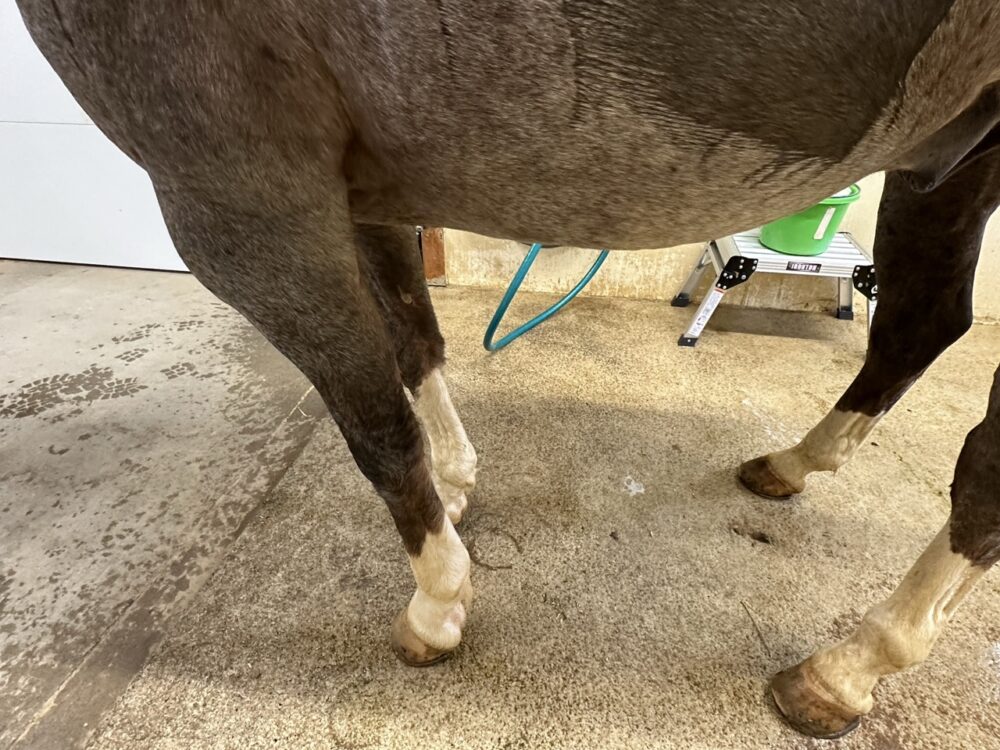
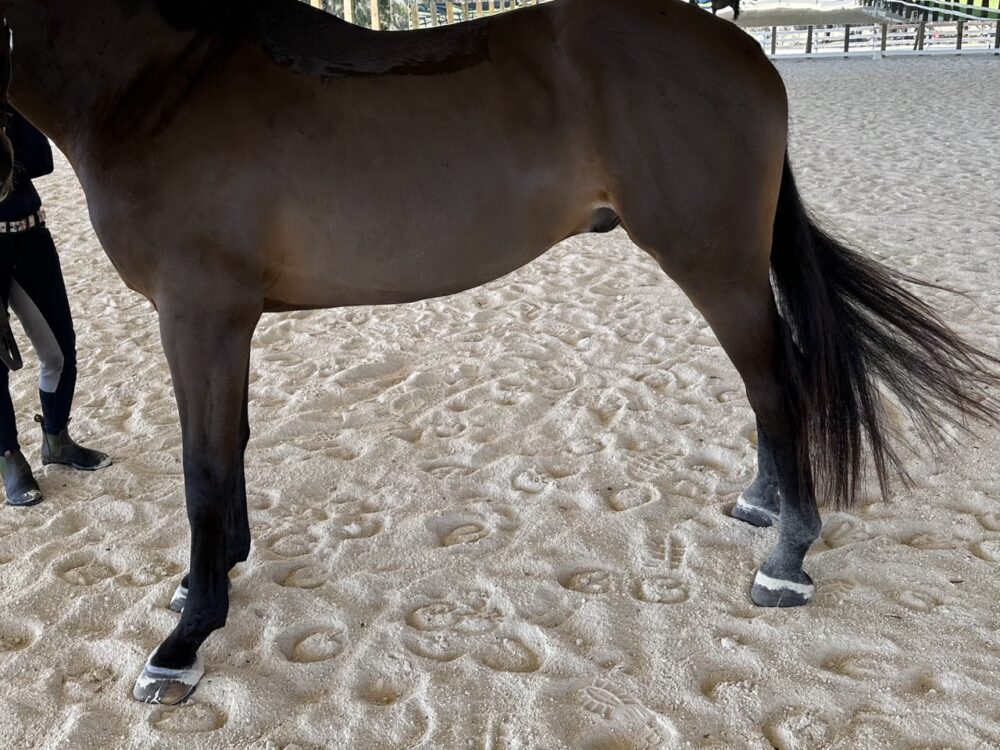
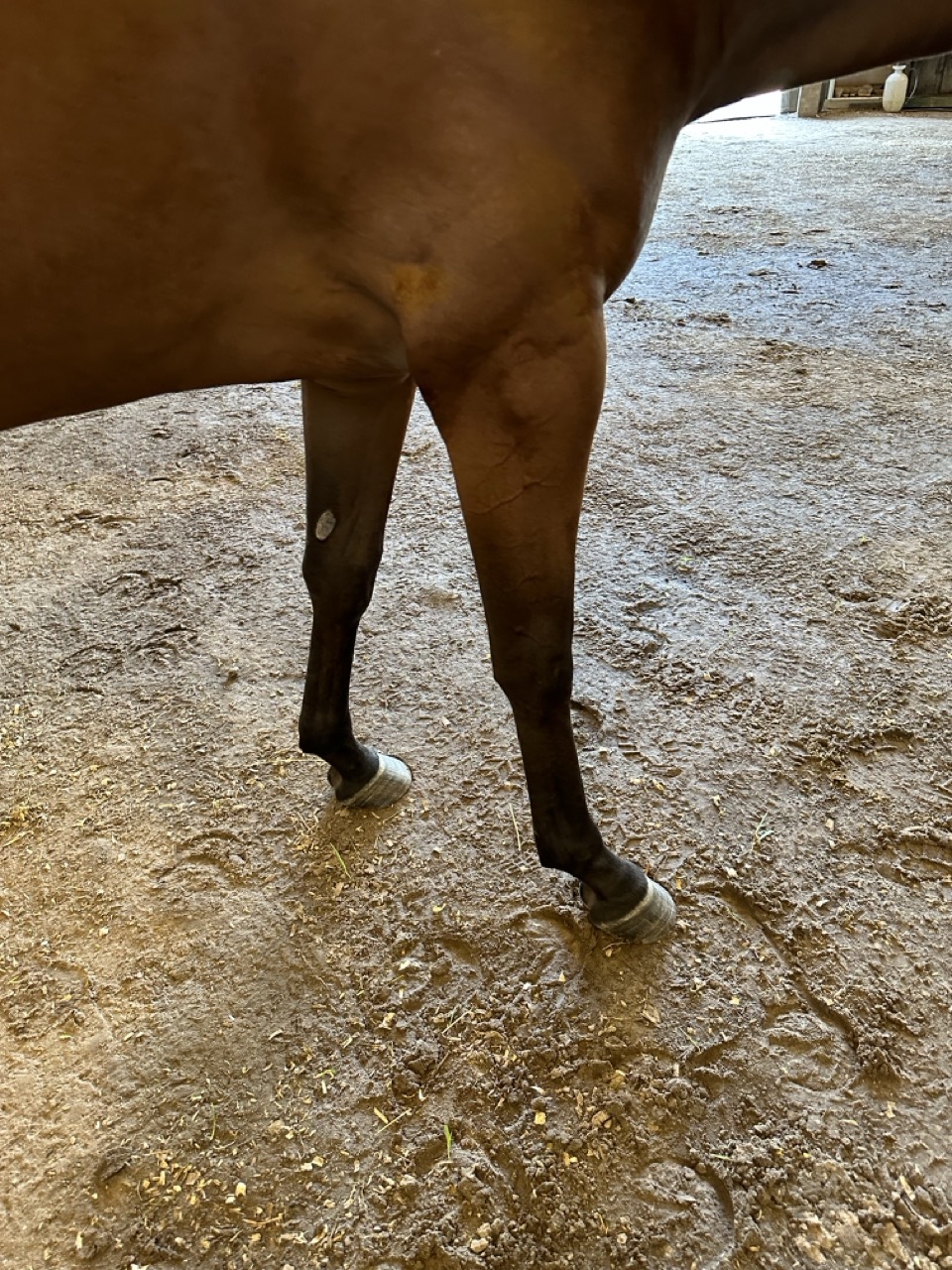
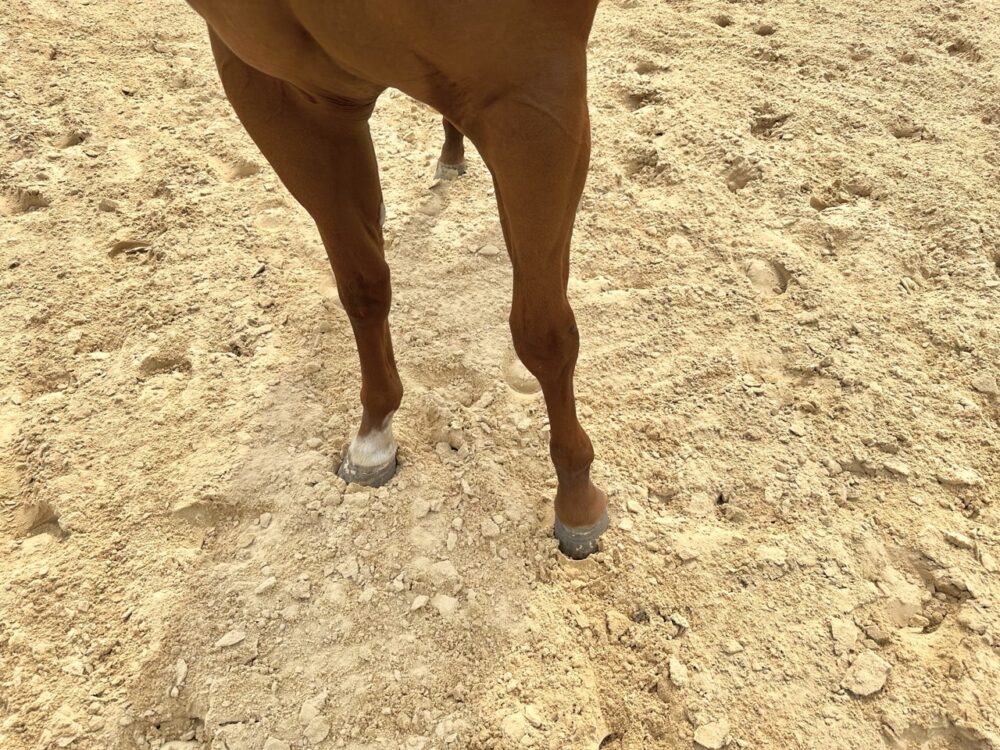
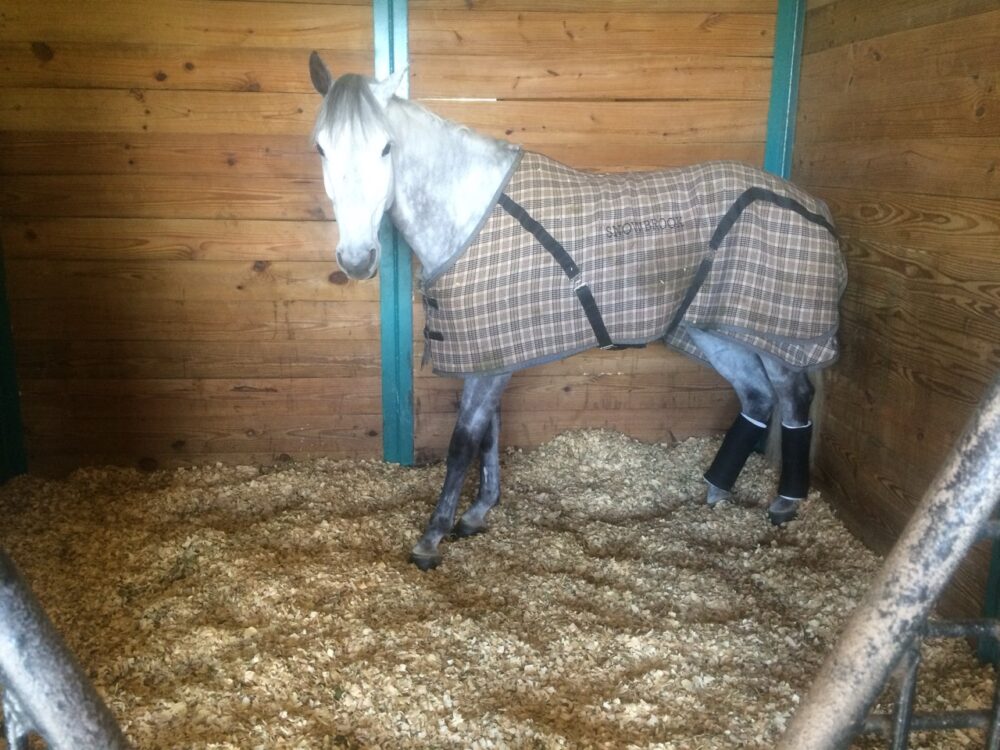
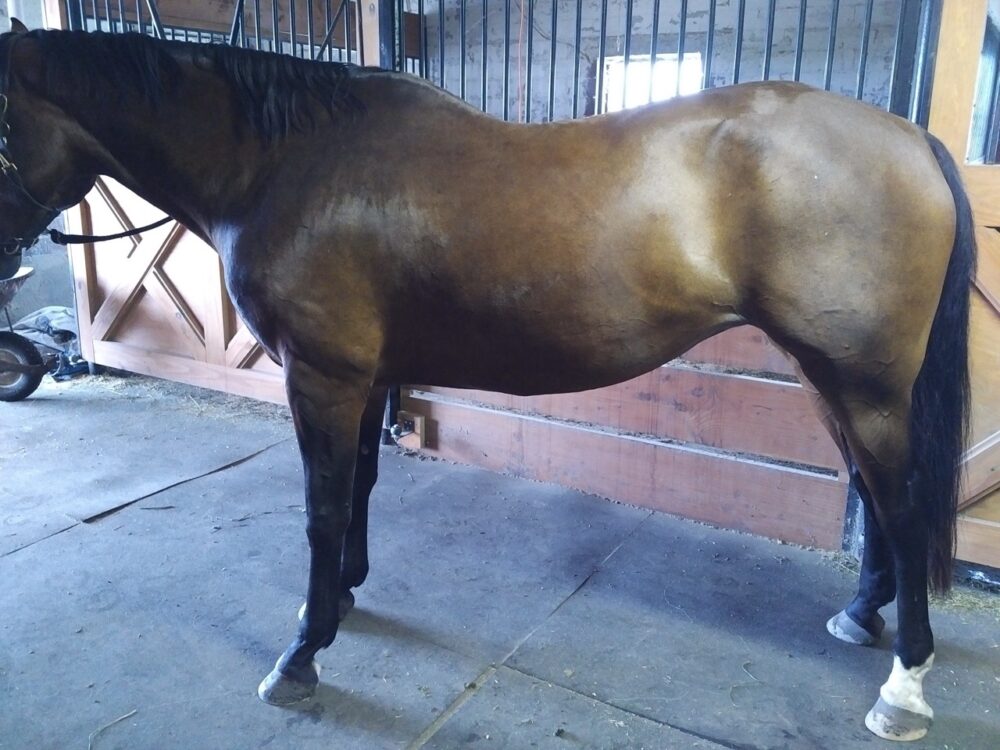
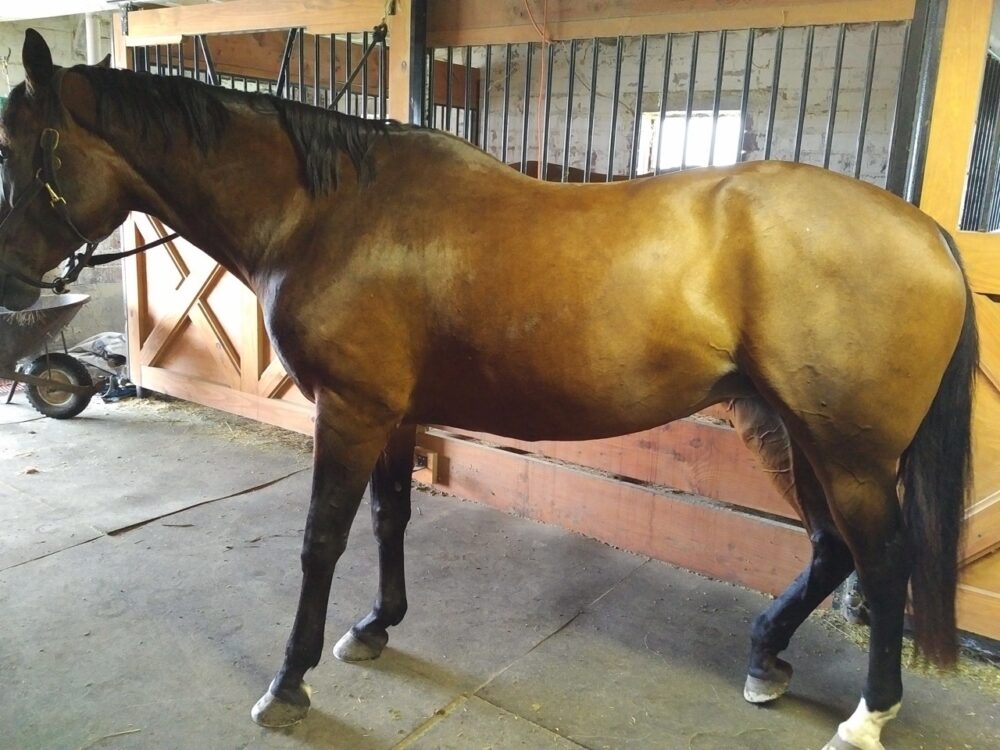
“What is normal? That is an open-ended question? And how does this relate to sport horses or horses in general? I need to state in the beginning of this blog. All pictures are of postural body lameness and abnormal. All of these horses were lame. None were head bobbing nor defined or could be graded by a lameness scale. Please be patient with me as we are going down another rabbit hole to bring attention to what should be a fundamental prerequisite for every lameness, FEI, and pre-purchase examination done by a veterinarian for every sport horse.
This is what Google AI states is the definition of “normal” from Merriam-Webster Dictionary:
“Normal” generally means conforming to a standard, pattern, or average, essentially being typical, usual, or expected, though its specific meaning varies by context (e.g., psychology, math, biology) and can shift over time.
What is Lameness? Google AI states:
Lameness is an abnormal gait or stance in animals—most commonly horses and dogs—resulting from pain, injury, or structural dysfunction of the musculoskeletal or neurological systems. It manifests as limping, uneven weight-bearing, or reluctance to move, often caused by infection, trauma, or disease. It is a symptom, not a disease.
The Standard of Normal for Equine Lameness
What is normal regarding lameness in sport horses? Have we conformed to a standard? The answer is yes. The AAEP, American Association of Equine Practitioners, lameness grading scale is a standard that we as veterinarians are trained to use to grade lameness. Below is the old standard AAEP lameness scale that I was taught in veterinary school.
OLD AAEP LAMENESS SCALE
Grade 0: No lameness observed
Grade 1: Mild lameness observed when trotted in straight line (head nod/pelvic hike inconsistent)
Grade 2: Obvious lameness observed (head nod/pelvic hike of several centimeters)
Grade 3: Overt lameness (pronounced head nod/pelvic hike of several centimeters)
Grade 4: Severe lameness (extreme head nod/pelvic hike; horse can still be trotted)
Grade 5: Horse is non-weight bearing and should not be trotted
Reference: Ross, MW . Movement In: MW Ross and SJ Dyson, editors. Diagnosis and management of lameness in the horse. Second ed. St. Louis, MO: Elsevier/Saunders (2011). 64–80
The new standard scale is listed below:
NEW AAEP LAMENESS SCALE 2023
Grade 0: Lameness not perceptible under any circumstances
Grade 1: Lameness is difficult to observe and is not consistently apparent, regardless of circumstances (eg. under saddle, circling, inclines, hard surface, etc.)
Grade 2: Lameness is difficult to observe at a walk or when trotting in a straight line but consistently apparent under certain circumstances (e.g. weight-carrying, circling, inclines, hard surface, etc.)
Grade 3: Lameness is consistently observable at a trot under all circumstances
Grade 4: Lameness is obvious at a walk
Grade 5: Lameness produces minimal weight bearing in motion and/or at rest or a complete inability to move
 Pattern to Standards?
Is there a pattern to either lameness scale? Yes, both have a grading scale from 0 to 5, and as lameness increases, it is more pronounced to understand that the horse is lame. The old standard is more descriptively specific, stating head nod/pelvic hike of what lameness looks like. A person can understand a head nod or bob for front limb lameness but a pelvic hike for hind limb lameness? What is that? I have a hard time understanding it myself. Honestly, I am still confused about pelvic hike, and it makes no sense to me. I cannot see the pattern to this description of lameness because I am looking at what is not moving versus the hip hike, which is supposed to be the limb that is lame. For me, observing lameness in a horse, what DOES NOT MOVE OR LOAD is more important. There will be much more on that last sentence to come in future blogs because it is SO IMPORTANT!
0=Normal Sound Horse?
The other pattern that I can interpret and recognize in both old and new lameness scales is 0 equals “no observable” or “perceptible” lameness “under any circumstances”. The last three words “under any circumstances” may be the most important words. What are the circumstances? “Circumstances” are not defined. How does this help us understand lameness in our own horses or the horses that a trainer rides and trains for a specific discipline? Do we understand what a “normal”, “sound”, free of lameness horse looks like? It is completely open to interpretation as specifics of clinical signs become unconnected to the fact that the horse may or may not be lame.
 Questions to Ask?
What are the questions to ask to recognize what is “normal” for a “non-lame” horse? Where would you see normal? Maybe in a herd of young horses? It is definitely a great place to start to recognize a normal pattern for a horse as it grows year after year. For me as a veterinarian, normal starts with my patients watching them initially in a stall or in their own stall. No matter what age, the pattern of how they stand, move their limbs, eat, drink, turn, get up/down and move or position their body is important to me. What is their muscle development or lack thereof in what areas? Where is there muscle tension? Literally EVERYTHING that the horse does in a stall is important to me. Especially their behavior and reaction to people and objects (blankets etc) is indicative and representative to the level of pain and physical dysfunction present in their bodies. If your horse is outside and not stalled, watch him/her. Start recognizing the pattern of normal and abnormal. This basic observable level is where the lameness scales for “normal” “sound” horses should start. We, that we means all of us but especially veterinarians, are missing so much.
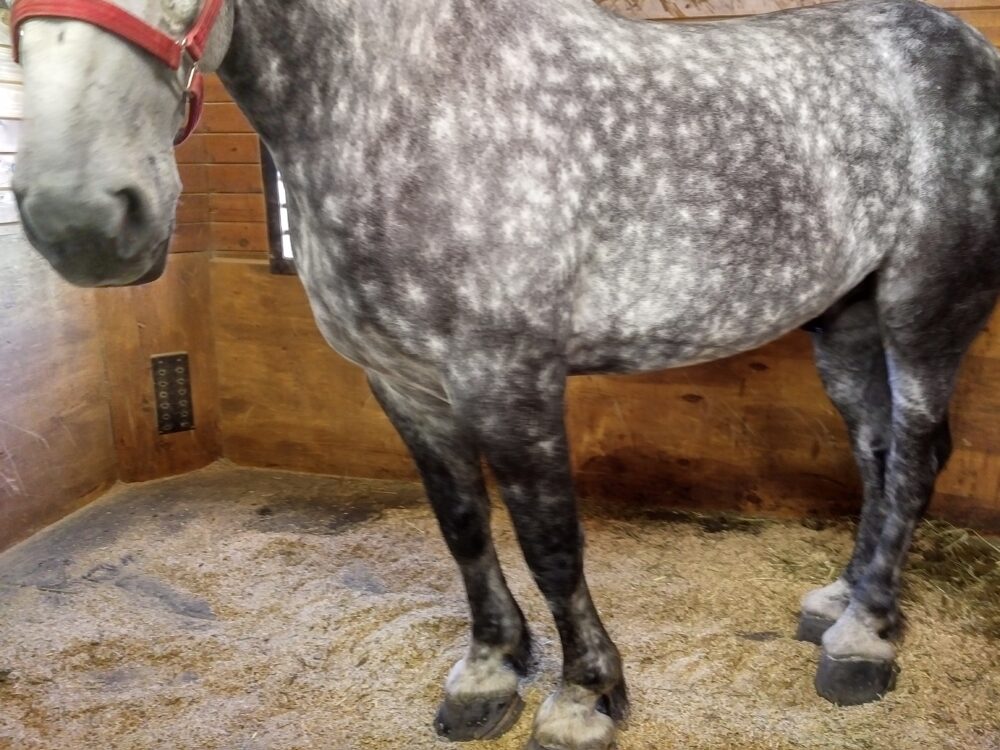 What does “any circumstances” mean?
Grade 0 = No observed or perceptible lameness under ANY circumstances. This means while in a stall or outside during turnout, how they get up and down, how they sleep standing and position their bodies, how they react to putting on or taking off blankets, how they stand in cross ties or tied, all aspects of grooming, how they pick up their limbs and if you can hold them for any extended time or what position, how they lunge, how they react during tacking up, how they react to mounting, how they stand under saddle, how they feel and look riding/driving, how they stand and position their bodies post exercise, and most importantly, with the farrier. The questions are endless. Because I still feel like I know nothing, I continue to ask questions.
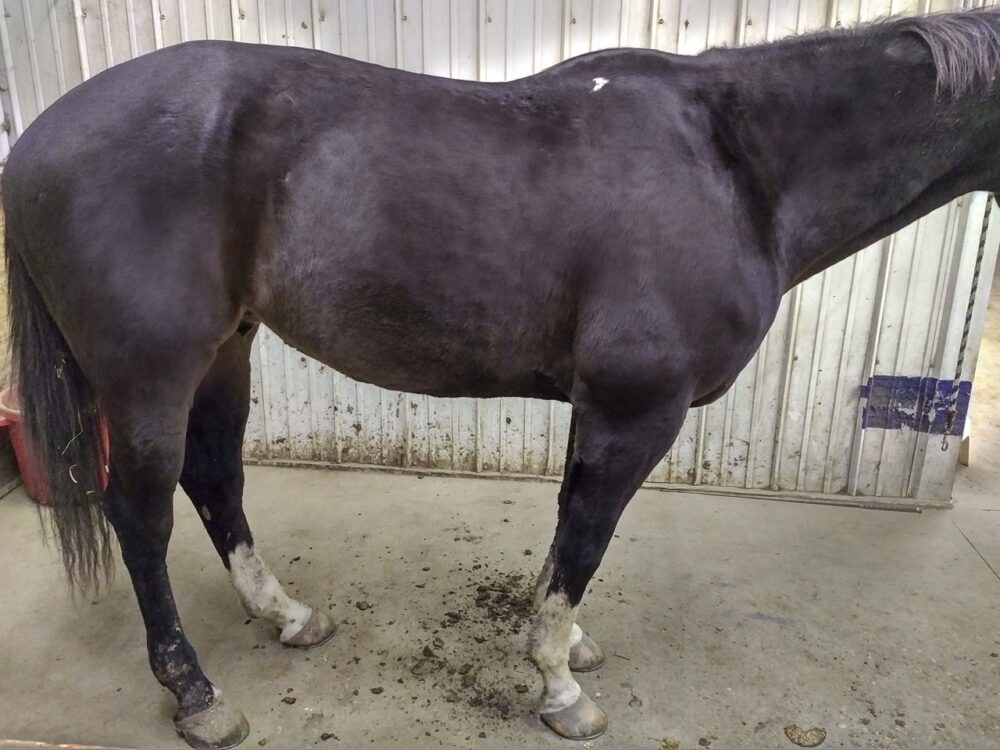
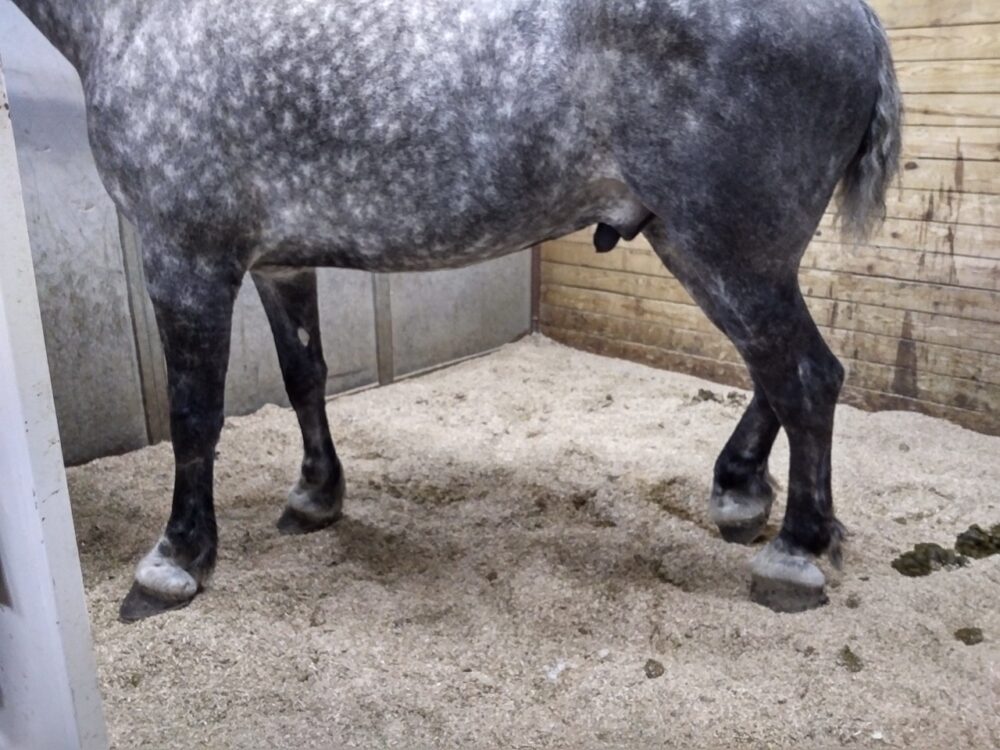 This, “0 = No observed or perceptible lameness under ANY circumstances,” needs to be categorized and defined for all of us to recognize the onset patterns of lameness in our sport horses. THIS is where “normal” starts and pattern recognition begins. Horses are truly the “beasts of burden” as they continue to show undeniable physical discomfort and pain that falls upon deaf ears and blind eyes from mankind. Will we learn and then choose to help them BEFORE they become a graded scale of lameness that is overt or consistently observable? I sure hope so but am disheartened by people in the sport horse industry that continue to not care, including some in my own profession who are supposed to be the protector and advocate for one’s patients.
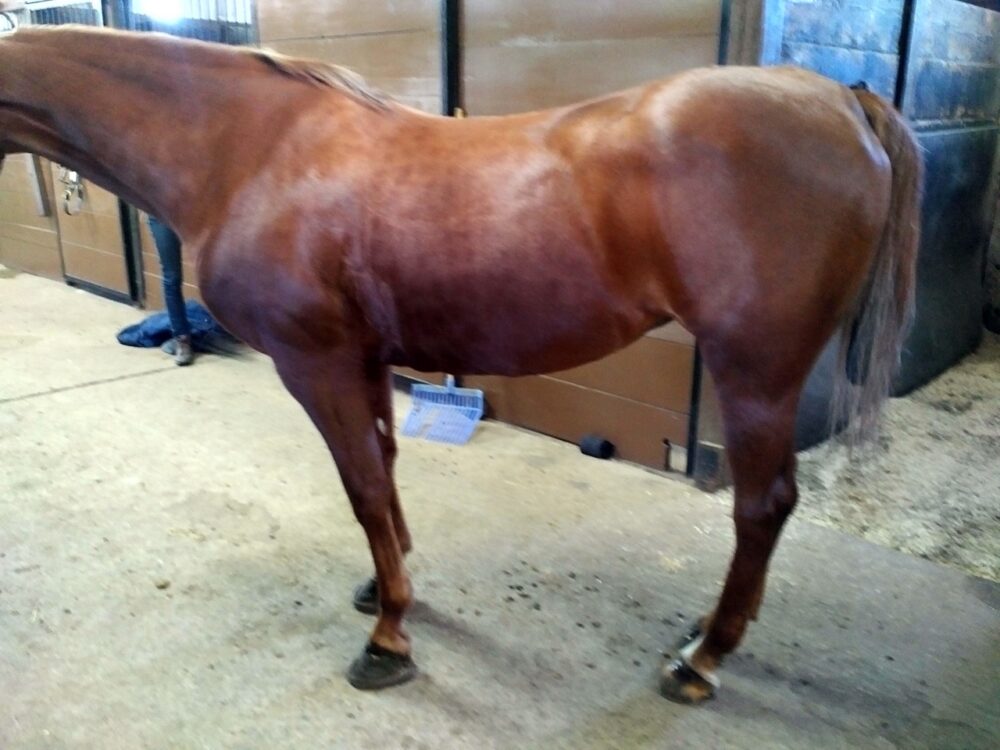
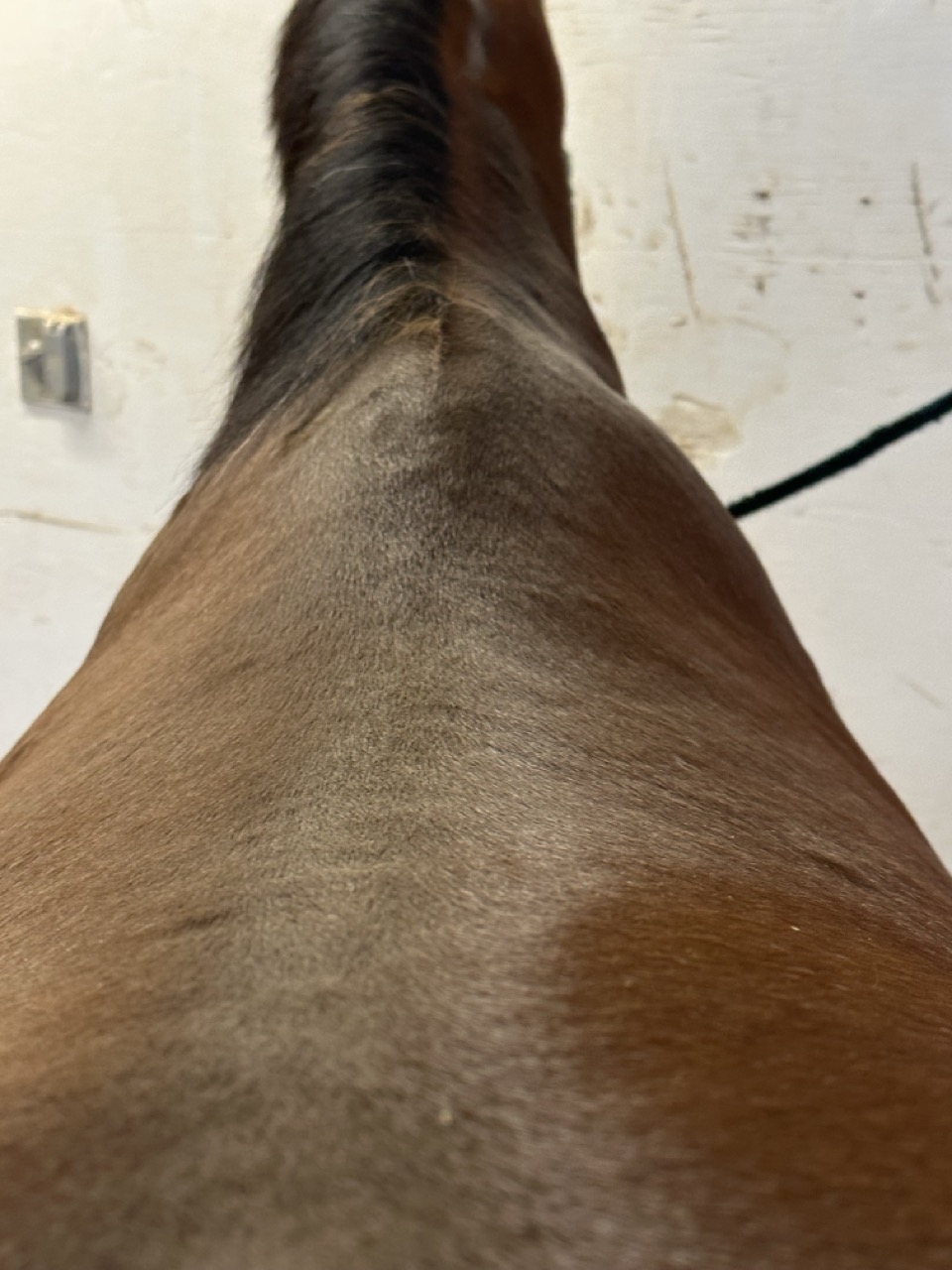 This is WHY I started this blog. To teach people what is “normal” for sport horses. To educate you so that you can help more horses. Never stop being a student. I know that I will never stop learning from my greatest teachers, my patients, so that I can share with you this knowledge to help them. I am only their voice through these written words. We will continue down the rabbit hole of “normal” next time.
Please share this blog and my podcast with your horse friends, and comment below if this was helpful. Most importantly, remember to ALWAYS put The Horse First.
AJD
Be the first to comment